Dental practices often face confusion when a patient’s insurance reaches its annual maximum, wondering whether to submit claims anyway. Filing claims even after the maximum is reached helps maintain accurate records, track benefits precisely, and avoid future disputes, though no payment will typically result.
Table of Contents
ToggleUnderstanding Dental Insurance Annual Maximums
Dental insurance annual maximums cap the amount an insurer pays per benefit year, usually $1,000 to $2,000 per patient. Once reached, the plan stops covering further services, leaving patients responsible for 100% of costs until the next year. Deductibles and copays do not count toward this limit, and preventive services like cleanings may not apply in some plans.
This maximum resets annually, often on January 1, but practices must verify exact dates during insurance checks. Exceeding it ranks among top claim denial reasons, so precise tracking prevents surprises. BEANbite’s insurance verification uploads verified limits directly into patient records, streamlining this process.
What Happens When Maximum is Reached?
Insurers deny claims post-maximum with explanations of benefits (EOBs) stating no payout due to exhausted benefits. Patients pay full fees out-of-pocket, but filing confirms the status officially. Unlike medical insurance out-of-pocket maximums, dental plans rarely cap patient costs beyond this.
Practices collect payments upfront after verification shows maxed coverage. Delays in filing can lead to errors, like charging patients incorrectly before denial confirmation. BEANbite handles end-of-day walkouts and claim submissions with narratives to document these scenarios accurately.
Reasons to File Claims After Maximum Reached
Submit claims post-maximum to update insurer records precisely, preventing overestimation of future benefits. Accurate filing avoids denials from discrepancies if patients visit multiple providers. It also builds a treatment history for appeals or audits.
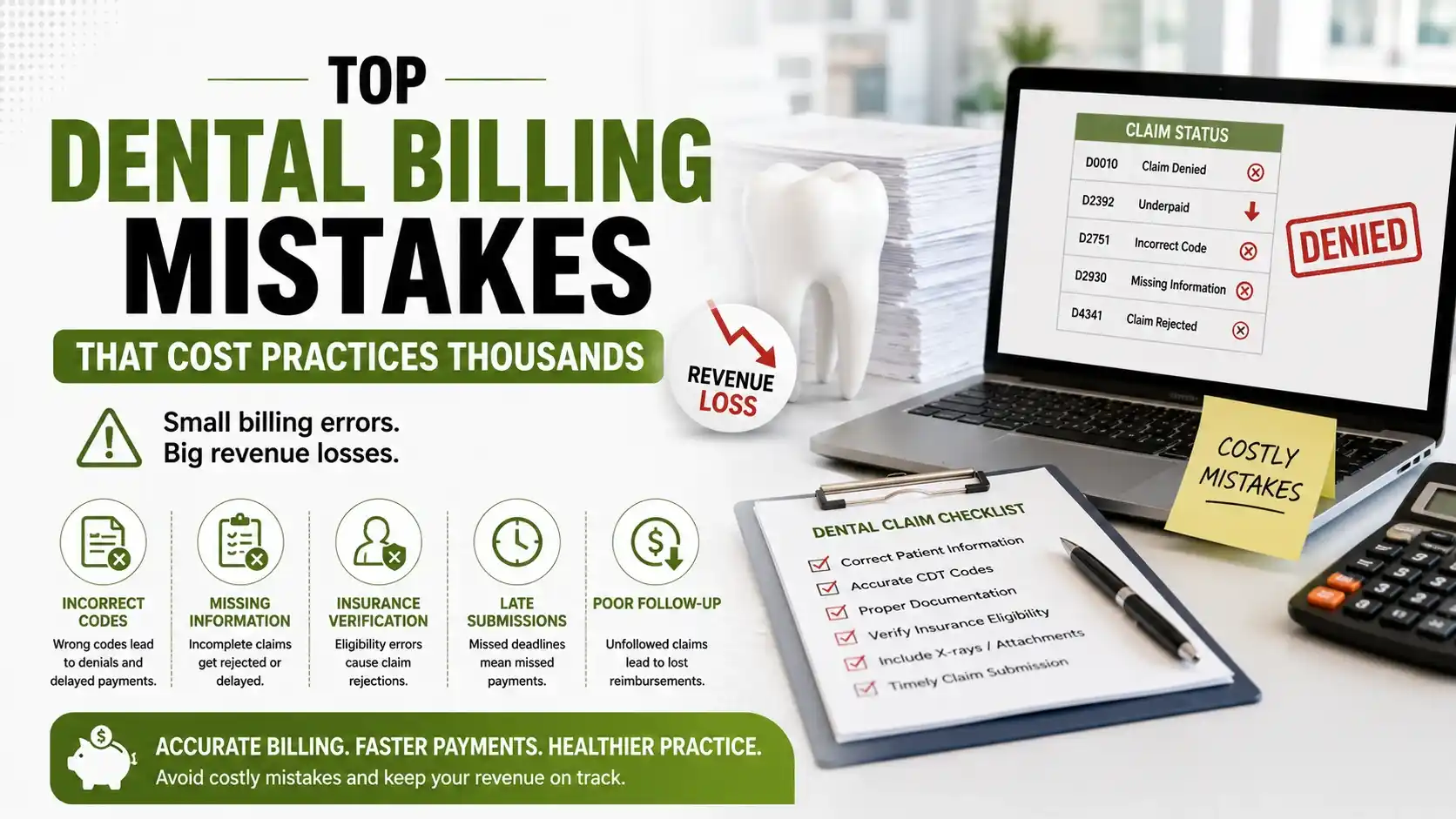
Timely submissions boost reimbursements by 20% overall, per studies, by catching errors early even in denied cases. Claims create patient ledgers for financing options or payment plans when coverage lapses. BEANbite’s flawless claim process reduces denials, ensuring records stay current regardless of payout.
For multi-year treatments, filing tracks rollover benefits where unused portions carry over in some plans. It confirms no hidden restoration benefits, rare in dental but present in select policies.
Risks of Not Filing Post-Maximum Claims
Skipping claims risks inaccurate benefit tracking, leading to surprise denials later. Patients may assume coverage remains, causing billing disputes and trust erosion. Practices face audit liabilities without documented submissions.
Delayed or omitted filings increase errors, as insurers process claims within tight windows (often 6-12 months). Without EOBs, practices cannot prove exhaustion to patients reliably. BEANbite’s daily reports and verification prevent these gaps, maintaining healthy accounts receivable.
Best Practices for Dental Practices
Verify benefits before every appointment, noting remaining maximums explicitly. Inform patients upfront if maxed, collecting full payment to avoid adjustments. Submit claims promptly with detailed narratives explaining services.
Use integrated software like Dentrix or Eaglesoft for real-time tracking—BEANbite excels in these integrations. Offer payment plans for out-of-pocket costs to retain patients. Split extensive treatments across years to maximize future maximums.
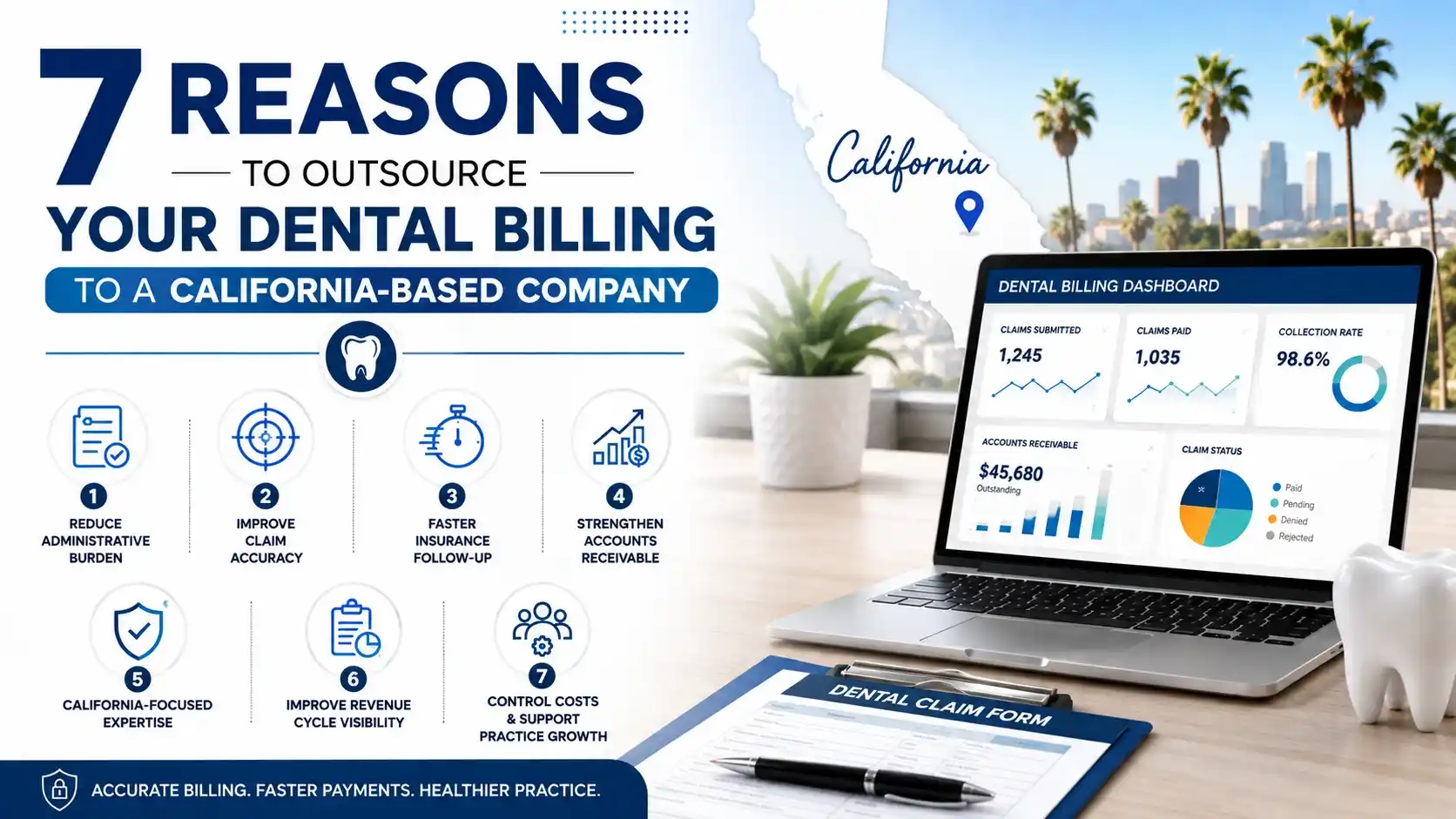
Outsource to experts like BEANbite for credentialing, negotiations, and verifications that secure better PPO rates and fewer headaches. Their 90-day credentialing boosts reimbursements, letting dentists focus on care.
Benefits of Partnering with Dental Billing Services
Services like BEANbite manage claims post-maximum, ensuring compliance and record accuracy without in-house burden. They negotiate fee schedules for higher payouts pre-maximum and handle verifications to flag limits early. This reduces A/R days, with clients praising responsiveness and detail.
Founded by dentists, BEANbite understands practice pressures, providing customized forms and uploads for seamless workflows. Practices gain time for patient relationships, growing revenue through efficient billing.
Patient Communication Strategies
Explain maximums clearly during consultations, using EOBs as proof. Discuss alternatives like financing or delaying non-urgent care. Highlight next-year resets to encourage loyalty.
Provide written estimates showing post-maximum costs. BEANbite’s verification reports arm teams with data for transparent talks. This builds trust, reducing no-shows and collections stress.
FAQs
Q1. Should you file a dental claim if the annual maximum is reached?
Ans: Yes, file to confirm exhaustion officially via EOB, update records, and avoid tracking errors—though no payment occurs.
Q2. What if verification showed benefits, but denial cites maximum?
Ans: Recheck records; patients may have used benefits elsewhere. Call insurer to resolve discrepancies.
Q3. Do copays count toward the annual maximum?
Ans: No, only insurer-paid portions apply. Deductibles and patient shares do not.
Q4. Can treatments span years to use multiple maximums?
Ans: Yes, split non-urgent work across benefit years for coverage optimization.
Q5. How does BEANbite help with maxed-out claims?
Ans: They verify limits pre-appointment, submit claims accurately, and manage A/R for smooth collections.